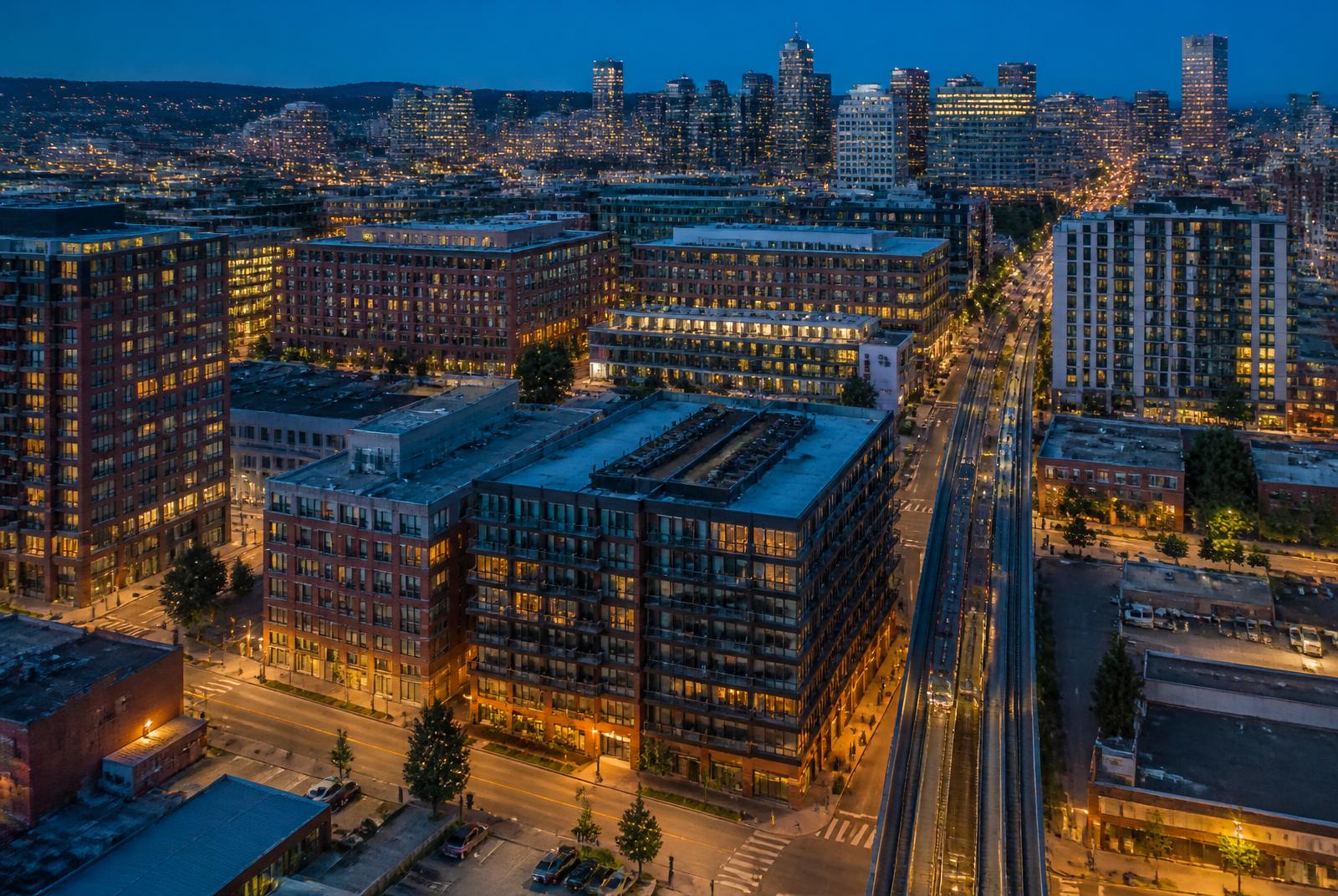
Aerial view of South End Charlotte at dusk with uptown towers on the horizon

Comparison

South End vs Uptown Charlotte

Uptown is Charlotte's central business district. South End is the dense, mostly residential district next door that grew out of the mills and the rail line. Living in them feels very different.

District vs CBD

Character

Mid-rise mix vs high-rise

Building scale

One Blue Line

Shared spine

Evenings vs weekdays

Peak street life

Two different kinds of urban

Uptown is the office core: banking towers, the arena and stadium, museums, hotels, and a street grid organized around four wards. Its residential stock is largely high-rise, and its rhythm is set by the workday — busy at lunch, busy on event nights, quieter on a random Sunday morning.

South End is next door and reads as a neighborhood rather than a business district. Its buildings are mostly residential and mixed-use, its ground floors are restaurants, breweries, coffee shops, gyms, and shops, and its rhythm peaks in the evening and on weekends. Both are dense and walkable; they are dense and walkable for different reasons.

Is South End in Uptown?

No. South End is a distinct district immediately southwest of Uptown, separated from it by the Interstate 277 loop and the rail corridor. It is close enough that the Blue Line covers the distance in minutes and close enough to walk on a pleasant day, but the two are not the same place and are not marketed, zoned, or planned as one.

This matters when reading listings. An apartment advertised as "steps from Uptown" may be in South End, in Dilworth, or in Wilmore. Check the actual address and station before assuming which district you would be living in.

  • Uptown: inside the I-277 loop, the central business district
  • South End: southwest of the loop along the Blue Line
  • Walking or one short rail trip separates them

Commuting and daily logistics

If you work in an Uptown tower, both addresses commute well. From South End the Blue Line is the obvious tool, and many residents skip the cost of a downtown parking space entirely. From Uptown the commute is a walk. The difference shows up on everything else: groceries, gyms, dog walks, and dinner.

South End's ground-floor retail is oriented toward residents, so weekly errands are generally easier to do on foot there than in the office core. Uptown residents often drive or ride out for a full grocery run and for the wider restaurant range. Neither is difficult; they simply require different habits.

Buildings, views, and cost of the address

Uptown's residential product skews high-rise, with the amenity packages and views that come with height, plus proximity to arenas, theaters, and the museum cluster. Association dues and parking arrangements in high-rise buildings reflect that: structured parking, concierge staffing, and elevator and facade maintenance are real, permanent line items.

South End offers a broader spread — hard lofts in converted mills, mid-rise podium apartments, newer towers near stations, and townhomes at the edges. That spread means more variety in cost, layout, and character, but also more variance in construction quality and association health. Compare within building type rather than across the district.

  • Uptown: high-rise-dominant, event and office adjacency
  • South End: lofts, mid-rise, towers, and townhomes in one district
  • Parking is structured and paid in both; verify what is assigned or deeded

Nights, weekends, and noise

Uptown's loud nights cluster around events — games, concerts, conventions — and around a handful of bar blocks. Between events, residential streets can be notably quiet, which some residents love and others find flat.

South End's noise is more consistent: patios, breweries, live music, and Rail Trail foot traffic most evenings, concentrated heavily Thursday through Saturday. Buildings set one or two blocks off the trail get much of the walkability with much less of the volume, and touring at night is the only reliable way to judge it.

Choosing between them

Pick Uptown for high-rise living, views, and being inside the office, sports, and arts core. Pick South End for a neighborhood texture with restaurants and breweries at street level, the Rail Trail as a front yard, and a wider mix of building types and price points.

Anyone deciding should ride the Blue Line between the two at rush hour and again on a Saturday night. The trip is short enough that the real question is not commute time but which street you want to walk out onto.

At a glance

What matters most here

Separate districts

South End sits outside the I-277 loop; Uptown is the central business district inside it.

Residential versus office core

South End's ground floors serve residents; Uptown's serve workers, visitors, and events.

Same rail line

The Blue Line links both, which is why the commute question is usually the easy part.

Different noise patterns

Uptown spikes around events; South End hums most evenings near the trail.

Answered

Questions & Answers

Is South End part of Uptown Charlotte?

No. South End is a separate district southwest of Uptown, outside the I-277 loop, organized along the LYNX Blue Line and the Rail Trail.

Source: Charlotte Area Transit System — LYNX Blue Line

How far is South End from Uptown?

It borders Uptown across the I-277 loop. The Blue Line covers the distance in a few minutes and much of South End is within a comfortable walk of the southern edge of Uptown.

Source: Charlotte Area Transit System — LYNX Blue Line

Which is better for someone working Uptown?

Both work well. Uptown means walking to the office; South End means a short rail trip and generally easier day-to-day errands on foot.

Source: Charlotte Regional Business Alliance

Which is cheaper, South End or Uptown?

Costs move constantly and depend far more on building, age, and unit than on district. South End offers a wider spread of building types, which usually means a wider spread of price points.

Source: City of Charlotte

Do you need a car in either one?

Many residents in both keep a car but use it less. Airport runs, weekend trips, and suburban errands are the main uses; daily needs are walkable or on the Blue Line.

Source: Charlotte Area Transit System — LYNX Blue Line

Which has more restaurants?

South End has the denser concentration of neighborhood restaurants and breweries. Uptown has more hotel, event, and business dining.

Source: NC Alcoholic Beverage Control Commission — permitted breweries

Primary Sources

Figures are compiled from public records and primary sources and are reviewed periodically. Conditions in South End change quickly — verify anything you intend to rely on.