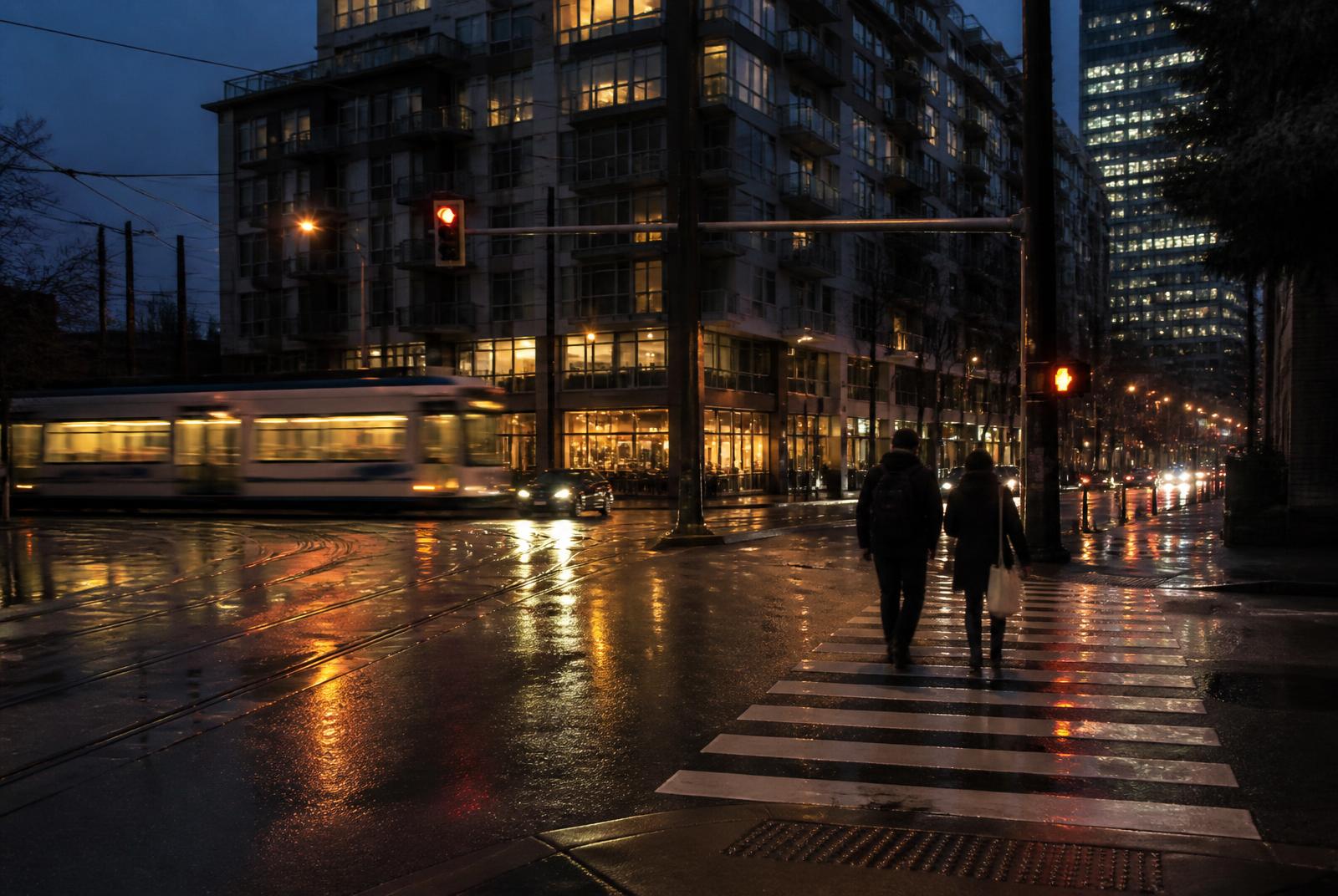
South End Charlotte crosswalk at twilight with a passing light rail train

Practical

Is South End Charlotte Safe?

The honest answer is that safety varies by block, hour, and habit — and that you should read current police data yourself rather than trust any figure printed on a guide page.

CMPD

Authoritative data source

Block by block

Variation

Late evening

Busiest period

Vehicles

Common property concern

Why we do not publish crime numbers

Crime statistics change continuously, are reported on different schedules, and are easy to misread when stripped of context about geography, population, and daytime versus resident population. A district with heavy visitor traffic and a large nightlife economy generates different reported activity than a purely residential area of the same size, and comparing raw counts between them misleads more than it informs.

Rather than quote a number that will be stale and possibly misapplied, we point you to the source. The Charlotte-Mecklenburg Police Department publishes incident data and crime mapping tools that let you look at a specific area and time period yourself. That is a better basis for a decision than any summary a guide could write.

  • Check CMPD's published incident data and mapping tools
  • Look at a defined radius and a defined recent time period
  • Read counts alongside how many people are present, not in isolation

What actually varies here

South End is a dense district with a large nightlife economy, and the practical experience of it changes with the hour. Weekday daytime brings office workers, trail runners, and stroller traffic. Weekend evenings bring crowds, rideshare queues, and noise well past midnight, concentrated on specific blocks near the busiest patios and venues.

Activity itself is generally protective — well-lit, populated streets feel and function differently than empty ones. The blocks worth paying attention to are the transitional ones: parking-deck approaches, underpasses, poorly lit surface lots, and stretches of the trail between clusters of activity late at night.

The Rail Trail after dark

The trail is busy and pleasant during daylight and early evening, and much quieter late at night, particularly on the segments between the active restaurant clusters. Lighting is present but varies along its length, and construction fencing periodically narrows or reroutes sections.

Most regular users treat it the way they would any urban greenway after midnight: stick to lit, populated segments, stay aware, and choose the street when a segment feels empty. Walking your intended route once after dark before you sign a lease is the single most useful evaluation you can do.

Vehicles, decks, and property

In dense districts across every city, vehicle break-ins in parking decks and surface lots are among the most commonly reported property issues. The standard precautions apply and are genuinely effective: leave nothing visible in the car, park in lit and camera-covered areas, and use the building's secured levels where available.

When touring a building, ask specifically about deck access control, camera coverage, lighting, and how management communicates incidents to residents. A building that answers those questions crisply is usually one that takes them seriously.

  • Nothing visible left in the vehicle
  • Secured, controlled-access deck levels where offered
  • Camera coverage and lighting at deck entries
  • Clear management communication about incidents

Event nights and crowds

Large events in Uptown and festivals in the district change the street pattern substantially: heavier rideshare traffic, closed streets, full decks, and crowds moving between venues. These are ordinary big-city conditions rather than danger signals, but they affect parking, noise, and how long it takes to get anywhere.

If you are choosing a unit, ask what the building is like on a game night or during a street festival. Residents will tell you honestly, and the answer says more about daily life than any statistic.

How to evaluate a specific address

Walk the block at three different times: weekday midday, weekday evening, and late on a weekend night. Note lighting, foot traffic, how the parking approach feels, and how loud the nearest patio is. Then check CMPD's mapping tools for that specific area and a recent period.

Finally, talk to people who already live in the building. Residents will describe the lived reality — the noisy corner, the deck level to avoid, the well-lit route home — with a precision no dataset provides.

At a glance

What matters most here

Check the source

CMPD publishes incident data and mapping tools; use them for your specific address and time period.

Hour matters more than average

The same block reads very differently at noon, at nine, and at two in the morning.

Property precautions work

Vehicle and deck habits address the most commonly reported concern in dense districts.

Walk it at night

One late walk of your actual route tells you more than any summary.

Answered

Questions & Answers

Is South End Charlotte safe?

Experience varies by block and time of day, and it is a dense district with a large nightlife economy. Rather than rely on a summary figure, check current CMPD incident data and mapping for the specific area you are considering.

Source: Charlotte's Got a Lot — official visitor guide

Where can I look up crime data for South End?

The Charlotte-Mecklenburg Police Department publishes incident data and crime mapping tools that let you review a defined area and a recent time period directly.

Source: City of Charlotte

Is the Rail Trail safe at night?

It is busy and well used in daylight and early evening and much quieter late at night, especially between activity clusters. Lighting varies along its length, so many regulars stick to lit, populated segments after midnight.

Source: Charlotte Rail Trail — Charlotte Center City Partners

Are car break-ins a problem in South End?

Vehicle break-ins in decks and surface lots are among the most commonly reported property issues in dense urban districts generally. Leaving nothing visible and parking in lit, controlled-access areas are the standard precautions.

Source: Mecklenburg County Park & Recreation

How loud does South End get at night?

Core blocks near patios and venues stay lively late, especially Thursday through Saturday. Buildings a block or two off the trail are noticeably quieter.

Source: Charlotte's Got a Lot — official visitor guide

What should I ask a building about safety?

Ask about deck access control, camera coverage, lighting at entries and approaches, package security, and how management communicates incidents to residents.

Source: City of Charlotte

Primary Sources

Figures are compiled from public records and primary sources and are reviewed periodically. Conditions in South End change quickly — verify anything you intend to rely on.