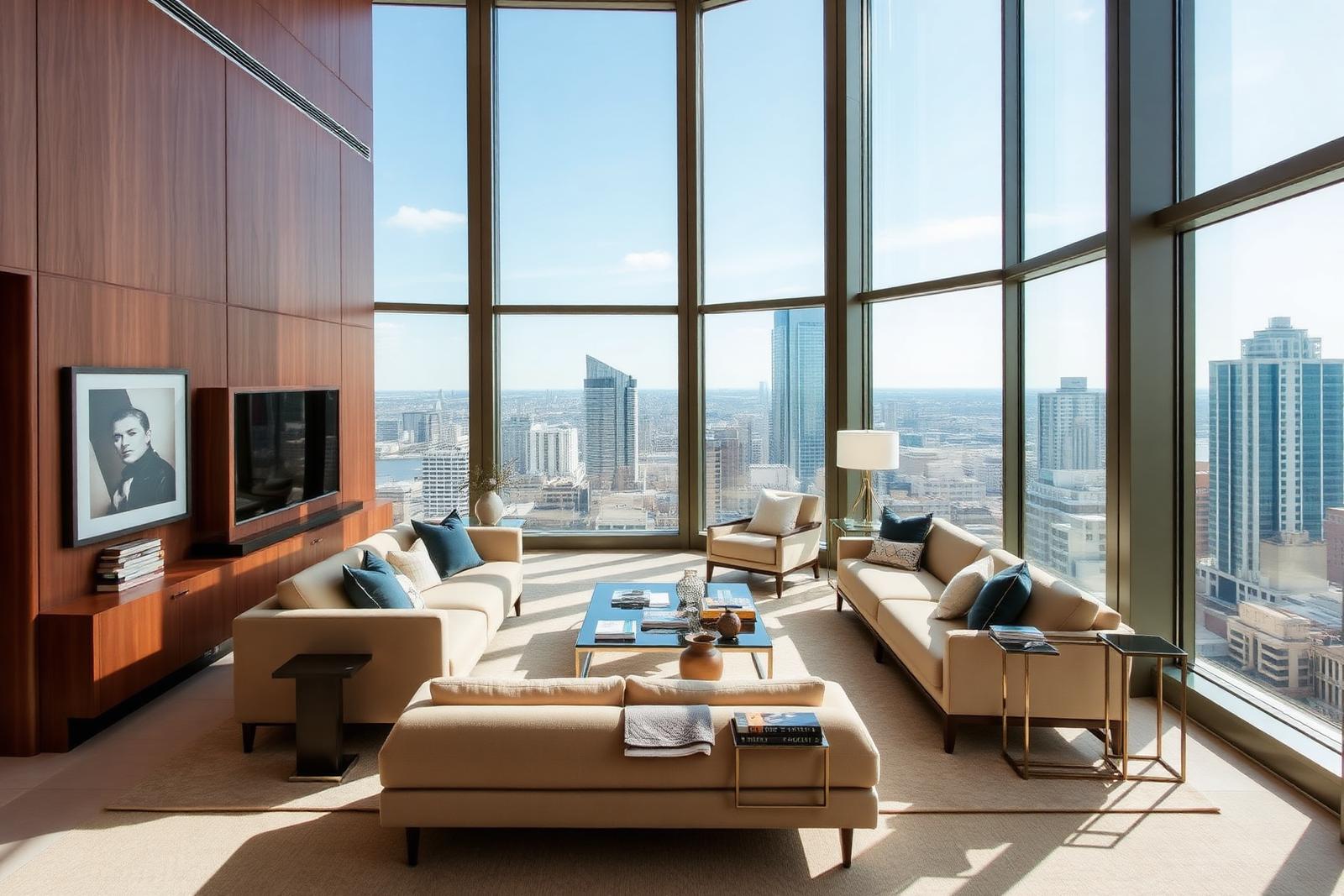
Designed living room interior in a Charlotte high-rise residence

Retail & Showrooms

The Design District and Atherton Mill

The Design District, anchored by the converted Atherton Mill, is South End's retail and showroom core — a cluster of home-design shops, restaurants, and small studios housed in buildings that were manufacturing textiles well before anyone shopped there.

1893

roughly when Atherton Mill began operating

Dozens

shops and studios in the district

Adaptive reuse

defining building type

Rail Trail

runs directly through the core

Atherton Mill's Second Life

Atherton Mill opened by the late 19th century as one of South End's early textile operations, and its brick buildings survived decades of industrial use before being converted into retail and studio space starting in the 1990s. The mill's original structure — heavy timber floors, tall windows, and exposed brick — was largely preserved rather than demolished, which is part of why the building reads as historic rather than reproduction.

The conversion turned mill floors that once held looms and spinning equipment into a mix of home-design showrooms, boutiques, and restaurant space, with the building's industrial bones left visible as a deliberate design choice.

Atherton Mill's redevelopment is often cited, alongside similar projects elsewhere in South End, as an early proof point that the district's old industrial buildings had more value adapted than torn down.

What Fills the Design District

The Design District takes its name from the concentration of home-design and furnishings businesses — tile showrooms, lighting studios, kitchen and bath design firms, and independent boutiques — that cluster within a few blocks of Atherton Mill.

Restaurants and cafes fill out the ground floor along the Rail Trail frontage, giving the district a dual identity as both a design-industry hub during business hours and a dining destination in the evenings and on weekends.

Because many of the businesses here serve trade professionals as well as retail customers, the district has a slightly different rhythm than South End's brewery-heavy blocks — busier on weekday mornings, calmer late at night.

The Buildings Themselves

Beyond Atherton Mill, the Design District includes several smaller converted warehouse and light-industrial buildings, most dating to the early-to-mid 20th century, that have been subdivided into smaller retail bays.

Ceiling heights, brick exteriors, and loading-dock-turned-entrance details are common threads across these buildings, giving the district a visual consistency even though the structures were built for different original tenants.

Newer infill has been added carefully in some spots, generally matching material palettes to the older mill buildings rather than introducing a sharply contemporary contrast.

Markets and Public Space

The plaza space around Atherton Mill regularly hosts outdoor markets, drawing vendors and shoppers to the widened section of the Rail Trail that fronts the building.

These markets have become one of the more reliable weekend draws in South End, functioning as an anchor event that pulls foot traffic through the surrounding shops as well.

The plaza's design — open, shaded in parts, and directly connected to the trail — was part of what made it a natural home for recurring events rather than a one-off use of leftover space.

  • Atherton Mill's plaza hosts recurring outdoor markets
  • Direct Rail Trail frontage draws both shoppers and commuters
  • Mix of trade-focused design businesses and public-facing retail

Connection to the Broader District

The Design District sits close to Carson station, making it one of the more transit-accessible commercial pockets in South End, and its position along the Rail Trail links it directly to the breweries and residential towers further south.

Its proximity to Wilmore and Dilworth also means the district draws shoppers from those established neighborhoods who might not otherwise cross into South End's newer residential blocks.

That crossover has helped the Design District maintain a steadier customer base than some of the district's more nightlife-oriented strips, since design-industry traffic doesn't fluctuate with weekend crowds the way bar and restaurant business does.

Visiting the Design District

Most of the district's shops keep standard daytime retail hours, while the restaurants around Atherton Mill extend into the evening, so timing a visit around lunch or an early dinner tends to capture the most activity.

Parking is available in structured decks near the mill, though many visitors arrive by trail or by walking from Carson station given the short distance.

Because several businesses cater to design professionals, some showrooms may keep more limited public hours than a typical retail storefront, so checking ahead is worthwhile for a specific shop.

At a glance

What matters most here

Atherton Mill

The district's anchor building, converted from a 19th-century textile mill into retail and dining space.

Weekend Markets

Recurring outdoor markets in the Atherton Mill plaza are a consistent draw for foot traffic.

Trade and Retail Mix

Design-industry showrooms sit alongside public-facing boutiques and restaurants.

Answered

Questions & Answers

What is the Design District in South End?

It's the retail and showroom cluster anchored by Atherton Mill, featuring home-design businesses, boutiques, and restaurants housed in converted mill and warehouse buildings.

Source: Charlotte's Got a Lot — official visitor guide

When was Atherton Mill converted to retail?

The conversion began roughly in the 1990s, part of the district's broader adaptive-reuse wave that turned old textile buildings into commercial space.

Source: Charlotte-Mecklenburg Historic Landmarks Commission

Is there a market at Atherton Mill?

Yes, the plaza area regularly hosts outdoor markets that draw vendors and shoppers to the Rail Trail-facing side of the building.

Source: Charlotte Rail Trail — Charlotte Center City Partners

How do you get to the Design District without a car?

Carson LYNX station and the Charlotte Rail Trail both run close to the district, making it easily reachable on foot, by bike, or by light rail.

Source: Charlotte Area Transit System — LYNX Blue Line

Are the Design District shops open to the general public?

Most are, though some businesses focused on trade professionals may keep more limited public hours than a typical retail storefront.

Source: Historic South End — South End Municipal Service District

What did Atherton Mill originally produce?

It operated as a textile mill, one of several that anchored South End's industrial economy before the district's later redevelopment.

Source: Charlotte-Mecklenburg Historic Landmarks Commission

Primary Sources

Figures are compiled from public records and primary sources and are reviewed periodically. Conditions in South End change quickly — verify anything you intend to rely on.